
Blog Details
Discover excellence in thoracic care with Dr. Balasubramoniam
KR
Focused treatments, cutting-edge technology, and compassionate care
tailored for your health journey.
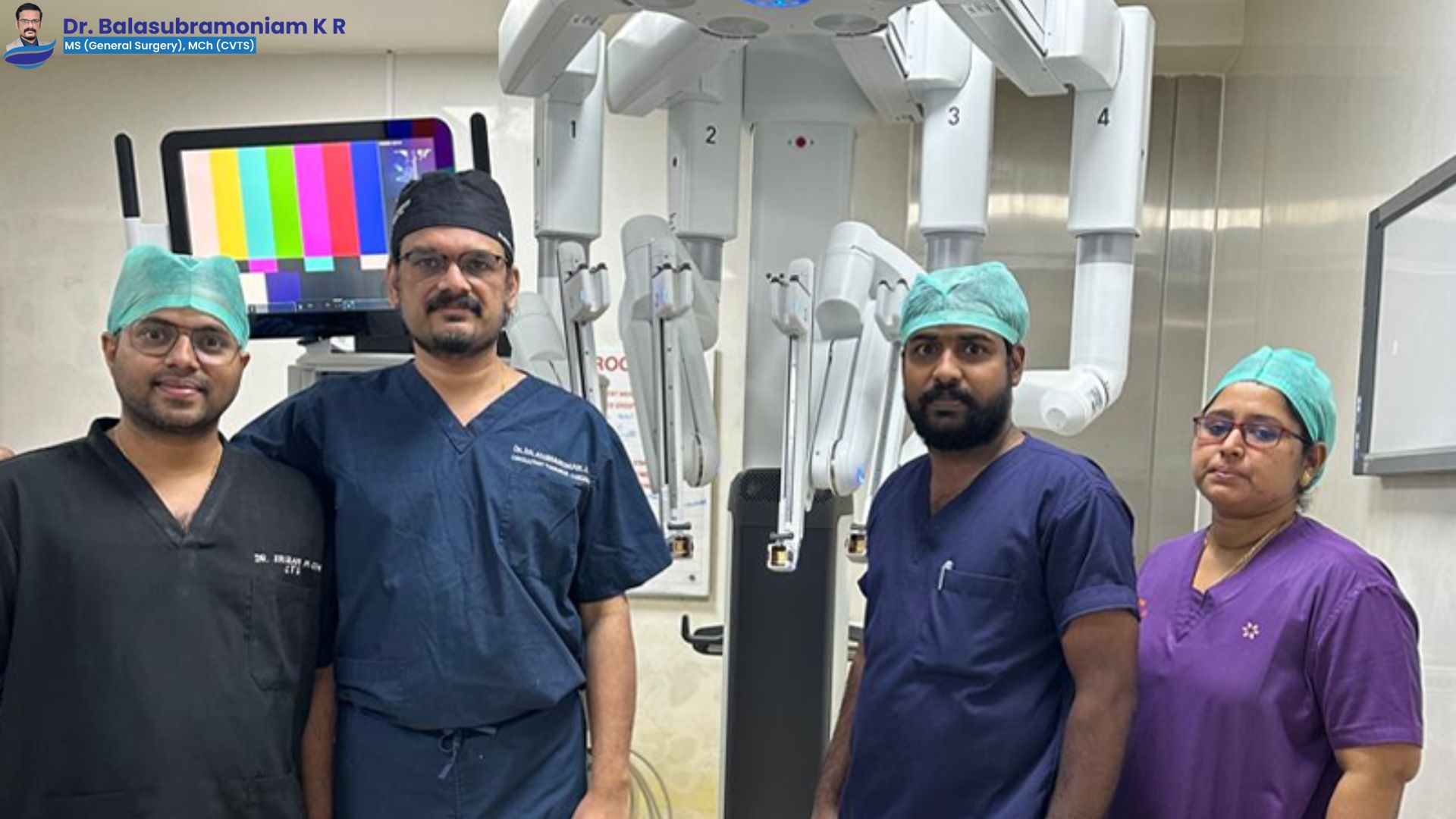
Who Is Eligible for Lung Transplant Surgery? A Doctor Explains
Who Is Eligible for Lung Transplant Surgery? A Doctor Explains
As a doctor treating advanced lung disease, one of the most common and important questions I hear from patients and families is, “Doctor, am I eligible for a lung transplant?” This question is central to Who Is Eligible for Lung Transplant Surgery? A Doctor Explains typically arises after prolonged breathlessness, repeated hospital admissions, and limited response to medical therapy.
My responsibility is not only to answer this question, but to help patients understand when lung transplant surgery offers meaningful benefit, and when alternative approaches may be more appropriate.
What Eligibility for Lung Transplant Really Means
Eligibility for lung transplant surgery is not based on diagnosis alone. It is based on whether the transplant will give the patient a better and longer life than continuing current treatment.
When I evaluate a patient, I look at four key questions:
- Is lung disease advanced and irreversible?
- Have all medical treatments been exhausted?
- Is the patient strong enough for major surgery?
- Will the transplant meaningfully improve quality of life?
If the answer to these aligns positively, we move forward with a transplant evaluation.
Lung Conditions I Commonly See That May Need Transplant
In my practice, lung transplant is most often considered for patients with:
- Idiopathic Pulmonary Fibrosis (IPF)
- Advanced COPD
- Interstitial Lung Disease (ILD)
- Pulmonary Arterial Hypertension
- Cystic Fibrosis
- Severe post-COVID lung damage
What matters most is how much the disease is limiting daily life, not just the medical name of the condition.
Signs That Tell Me a Patient Needs Transplant Evaluation
Many patients wait too long before seeking expert advice. Some signs that prompt me to recommend a transplant evaluation include:
- Breathlessness even while resting
- Dependence on continuous oxygen
- Frequent hospital admissions
- Rapid decline in lung function
- Inability to carry out basic daily activities
An evaluation does not mean immediate surgery. It simply means planning ahead rather than reacting too late.
What I Assess Before Recommending Lung Transplant
Before listing a patient for lung transplant, I carefully assess:
- Lung severity and progression
- Heart function and circulation
- Kidney and liver health
- Nutritional status and muscle strength
- Presence of infections or other serious illnesses
This detailed evaluation protects patients. A lung transplant should never be rushed; it must be safe, ethical, and well-timed.
Age Is Not the Only Factor I Consider
One common misconception I (Dr Balasubramoniam KR) hear is, “Doctor, am I too old for a lung transplant?”
Age alone does not decide eligibility. What matters more is:
- Physical fitness
- Mental readiness
- Ability to follow lifelong medication
- Support from family or caregivers
A lung transplant is not a single operation; it is a lifelong commitment to care, discipline, and follow-up.
When I Do Not Recommend Lung Transplant Surgery
There are times when I advise against lung transplant because the risks outweigh the benefits. This may include:
- Active, uncontrolled infections
- Advanced failure of other organs
- Certain untreated cancers
- Inability to adhere to post-transplant care
In such situations, my focus shifts to comfort, symptom relief, and dignity, which is equally important medical care.
Lung Transplant Evaluation vs Continuing Medical Treatment
|
Patient Concern |
Lung Transplant Evaluation |
Continuing Medical Treatment |
|
Breathlessness |
Aims to significantly improve breathing |
Often continues or worsens |
|
Disease Control |
Addresses end-stage lung failure |
Manages symptoms only |
|
Quality of Life |
Focuses on long-term improvement |
Gradual decline over time |
|
Hospital Visits |
Reduce after recovery |
Frequent admissions common |
|
When Considered |
When treatments stop working |
First and ongoing approach |
Why I Encourage Early Referral
One of the biggest challenges I see is patients being referred too late, when the body is already very weak. Early referral allows us to:
- Monitor disease progression closely
- Improve nutrition and strength
- Plan transplant timing properly
- Achieve better long-term outcomes
In places like Hyderabad, where advanced transplant care is available, early evaluation makes a real difference.
My Message to Patients and Families
Eligibility for lung transplant surgery is never decided lightly. Every decision I make is guided by one principle:
Will this truly help the patient live better and longer?
If you or your loved one has advanced lung disease, don’t wait until breathing becomes unbearable. Asking the right questions early gives us the best chance to plan the right care whether that includes transplant or not.
In Simple Words
If lung disease is severely limiting life and no longer responding to treatment, a lung transplant evaluation can help determine whether surgery is a safe and beneficial option.
FAQs
How do I know if I’m eligible for a lung transplant?
If breathlessness limits your daily life despite medications and oxygen, it may be time for a transplant evaluation. Eligibility is decided after detailed medical tests, not symptoms alone.
Does having lung disease automatically mean I need a transplant?
No. Most lung diseases are treated medically for years. Transplant is considered only when treatments stop working and quality of life is severely affected.
Is age a deciding factor for lung transplant surgery?
Age alone is not a disqualifier. I look more at physical fitness, mental readiness, and the ability to manage long-term care after surgery.
Can patients on oxygen be considered for lung transplant?
Yes. Many transplant candidates require oxygen. What matters is whether the lungs are failing despite best medical therapy.
When is lung transplant not advised?
Transplant may not be recommended if there are active infections, advanced failure of other organs, untreated cancers, or inability to follow lifelong post-transplant care.
When should I consult a lung transplant specialist?
Early consultation helps. Even if transplant is not immediately needed, planning ahead improves safety and outcomes especially in advanced centers in Hyderabad.